Understanding Property Prices and Rental Trends in Accra
Accra, Ghana’s bustling capital, stands as a dynamic hub within the West African sub-region, attracting a diverse range of residents, investors, and businesses. Navigating its real estate landscape requires a clear understanding of the intricate factors that shape both property prices and rental trends. This article delves into the key drivers, current dynamics, and future outlook of Accra’s property market, offering valuable insights for anyone considering investment or residency in this vibrant city.
The Dynamics of Accra’s Property Market
The real estate market in Accra is influenced by a confluence of economic, demographic, and infrastructural factors. Understanding these elements is crucial for anyone seeking to comprehend the valuation of properties and the ebb and flow of rental costs across the city.
Economic Growth and Stability
Ghana’s consistent economic growth, albeit with fluctuations, plays a significant role in its real estate sector. A stable economy generally translates into increased investor confidence, higher disposable incomes, and greater demand for both residential and commercial properties. Periods of robust growth often correlate with upward trends in property values and rental rates.
Urbanization and Population Dynamics
Accra continues to experience rapid urbanization, with a growing population driven by rural-to-urban migration and natural increase. This demographic shift places continuous pressure on existing housing stock and infrastructure, driving demand for new developments. The increasing population directly contributes to the scarcity of prime land and properties, thus influencing prices.
Infrastructure Development
Significant investments in infrastructure, including road networks, transportation systems, and utilities, profoundly impact property values. Areas with improved accessibility and amenities tend to command higher prices due and rental yields. The development of new commercial zones and urban regeneration projects also contributes to the appreciation of properties in their vicinity.
Government Policies and Regulations
Government policies related to land acquisition, property taxation, building regulations, and urban planning schemes have a direct effect on the real estate market. Initiatives aimed at affordable housing, foreign investment incentives, or environmental protection measures can all shape supply, demand, and overall market sentiment.
Factors Influencing Rental Trends in Accra
Rental prices in Accra are determined by a distinct set of market forces, often reflecting the immediate demand for housing versus the available supply, alongside the specific characteristics of the property itself.
Demand-Supply Imbalance
A persistent imbalance between the demand for rental properties and the available supply is a primary driver of rental costs. High demand in popular areas, coupled with limited new developments, often leads to elevated rental rates. This is particularly true for properties in well-connected, secure, and amenity-rich neighborhoods.
Location and Amenities
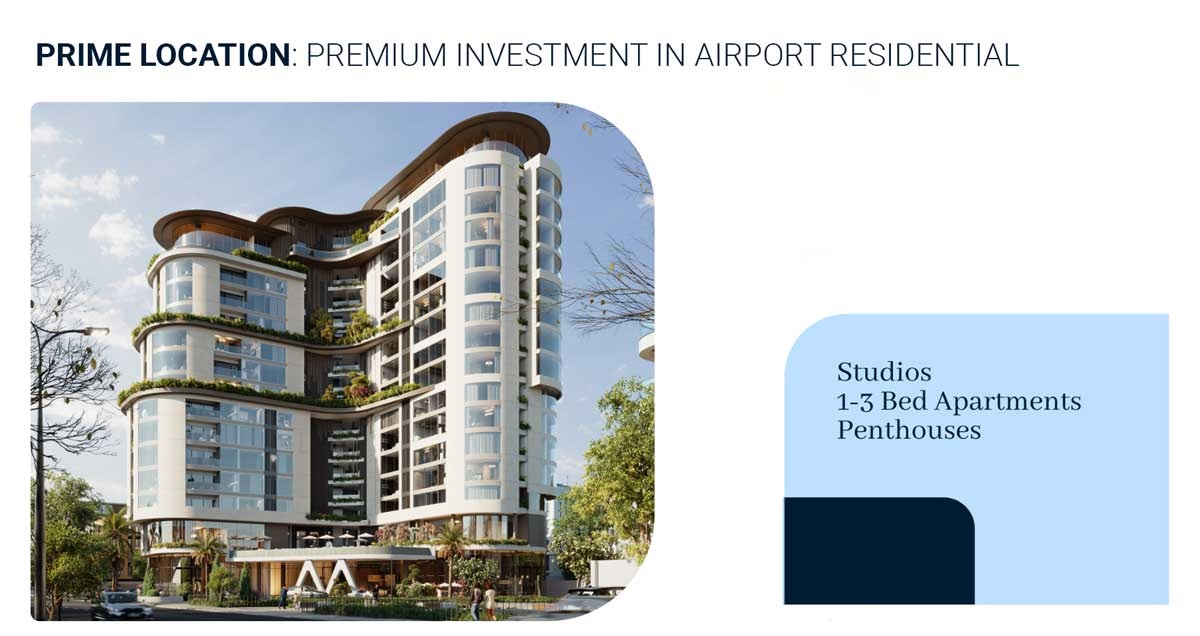
The geographical location within Accra is paramount. Prime areas such as Cantonments, Airport Residential Area, East Legon, and Osu typically command the highest rental prices due to their proximity to business districts, international schools, healthcare facilities, and entertainment options. Properties with desirable amenities like swimming pools, gyms, 24/7 security, and reliable utility services also attract premium rental values.
Property Type and Condition
The type of property – whether an apartment, townhouse, or detached house – and its overall condition significantly influence rental prices. Modern, well-maintained properties with contemporary finishes and adequate space are highly sought after. Furnished properties often fetch higher rents, especially in expatriate-dense areas.
Key Trends in Accra’s Real Estate Market
The Ghanaian real estate market, specifically in Accra, is not static; it continually evolves in response to broader economic and societal shifts. Several key trends are shaping its current trajectory.
Rise of Mixed-Use Developments
There is a growing trend towards mixed-use developments that integrate residential, commercial, and retail spaces within a single complex. These developments cater to the desire for convenience, offering residents a “live-work-play” environment, and are becoming increasingly popular for both purchase and rent.
Shift Towards Sustainable Living
An emerging trend involves a greater emphasis on sustainable and green building practices. Properties incorporating energy-efficient designs, renewable energy sources, and eco-friendly materials are gaining traction, appealing to a growing segment of environmentally conscious buyers and renters.
Influence of Technology
Technology is increasingly impacting the property market, from online property listings and virtual tours to smart home technologies. This digital transformation is enhancing transparency, expanding market reach, and influencing property management practices, making the market more accessible and efficient for both buyers and tenants.
Investment Considerations and Market Outlook
For potential investors, understanding the unique characteristics of different property types and locations within Accra is essential. While the market presents opportunities, it also requires careful consideration of investment horizons and target demographics.
| Property Type | Typical Demand Level | Rental Yield Factors | Target Tenants/Buyers |
|---|---|---|---|
| High-End Apartments (e.g., Cantonments, Airport Residential) | High, particularly for modern units | Strong due to expatriate/corporate demand; premium pricing | Expatriates, high-net-worth individuals, corporate leases |
| Mid-Range Apartments (e.g., East Legon, Labone) | Consistent and growing | Moderate to strong; driven by local professionals and small families | Young professionals, local families, returning diasporans |
| Detached Houses (e.g., Tema, some parts of East Legon) | Variable, depending on size, age, and location | Moderate; potential for capital appreciation over long term | Larger families, individuals seeking more space and privacy |
| Commercial Spaces (Offices, Retail) | High in prime business districts; growing in new commercial hubs | Generally strong, tied to economic activity and business growth | Local businesses, international companies, retail brands |
The outlook for Accra’s real estate market remains positive, underpinned by continued urbanization, a growing middle class, and sustained foreign direct investment. However, investors should conduct thorough due diligence, consider local market expertise, and assess long-term trends rather than short-term fluctuations.
Conclusion
Accra’s property market is a vibrant and evolving landscape, characterized by dynamic forces that influence both property prices and rental trends. From robust economic growth and rapid urbanization to infrastructure development and shifting consumer preferences, a myriad of factors shape its trajectory. Understanding these intricate dynamics is paramount for anyone looking to invest, rent, or purchase property in the city. While opportunities abound, a well-informed approach, keen awareness of market specificities, and an eye on emerging trends will be key to successful navigation within this compelling West African real estate hub.